
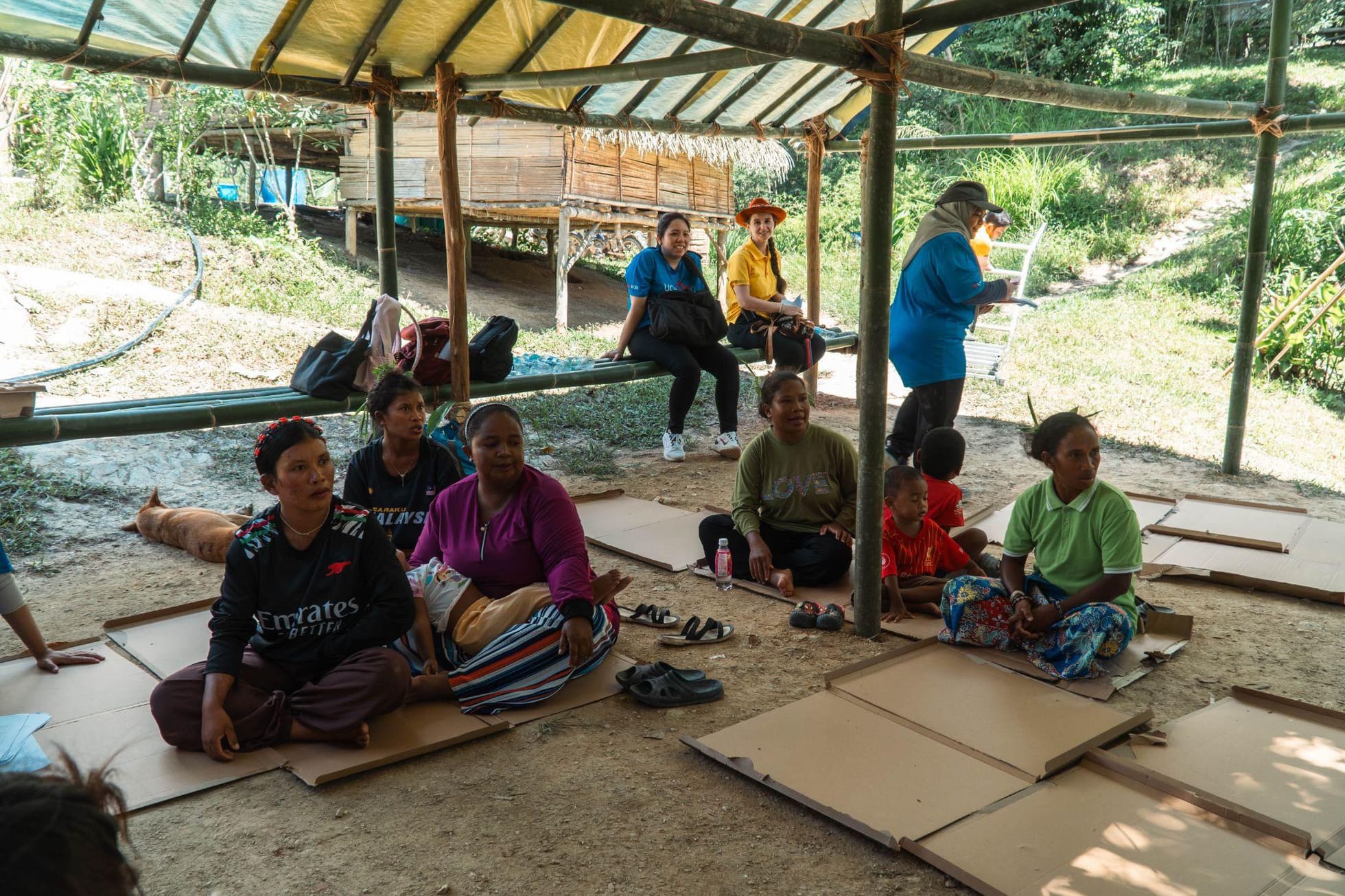
In some Orang Asli (indigenous people) villages, education often relies on visiting or rotating educators. When teachers come in and out, lessons get interrupted, relationships reset, trust has to be rebuilt and continuity becomes the first casualty.
SOLS Foundation is trying a different approach. Instead of bringing support in from the outside, SOLS ASLI Women Academy (SAWA) is a fully funded scholarship programme that trains Indigenous women to become educators and community leaders, and then places them back in their own kampung on paid contracts.
It is designed to be practical, not symbolic. A job is guaranteed after the programme, with a starting salary of RM1,700 per month, EPF and SOCSO, and a 12-month to 3-year contract depending on placement.
Here’s how the model works and why it matters.
1. Continuity is the foundation of learning
When educators change frequently, the cost is not just administrative. It’s emotional.
Families have to rebuild trust from scratch. Children must adapt to new teaching styles. Progress slows.
SOLS ASLI Women Academy trains women from the very communities they will eventually serve. When the educator is as “one of us”, relationships are already rooted in shared language, culture and lived experience.
Learning doesn’t reset every year. It compounds.
2. A scholarship that comes with guaranteed employment
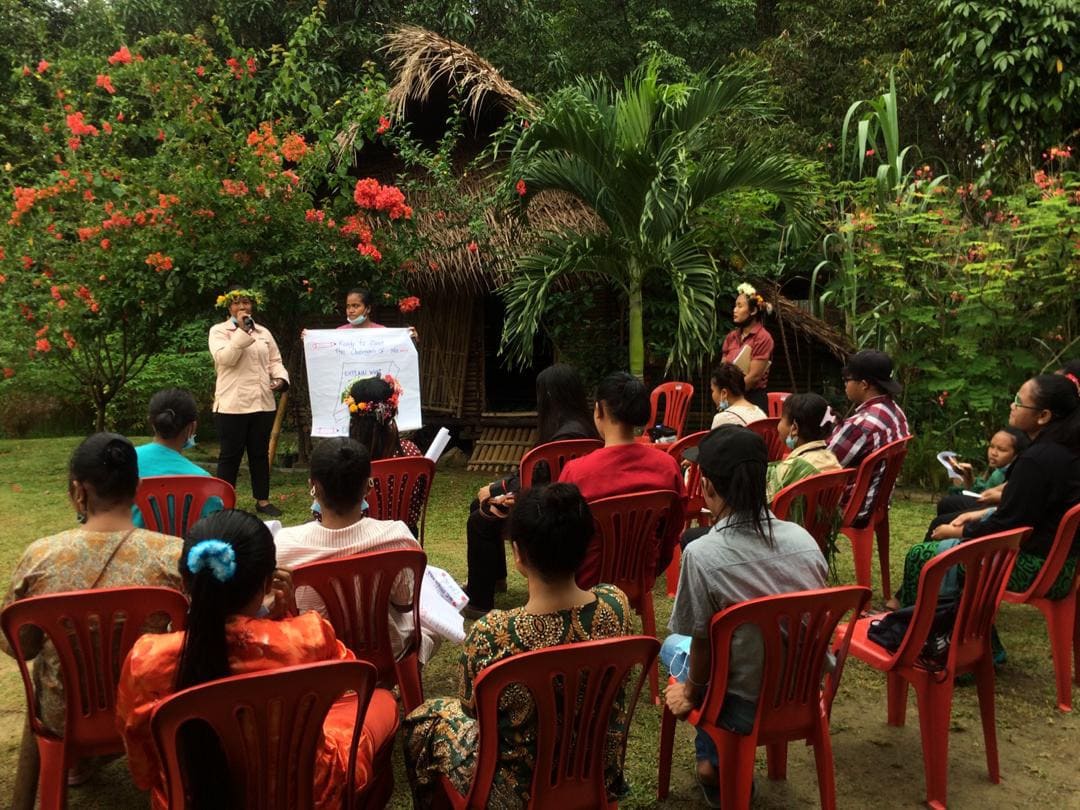
For many women in rural communities, training programmes can feel like a leap of faith.
What happens after the course ends? Is there work? Is there pay?
This programme answers those questions clearly.
Participants who complete the programme are guaranteed employment as educators in their village, with:
- A starting salary of RM1,700 per month
- EPF and SOCSO
- A 12-month to 3-year contract, depending on placement
The guarantee of employment shifts the psychology of training. It transforms education from hope into a pathway.
3. Training built for real life, not ideal circumstances
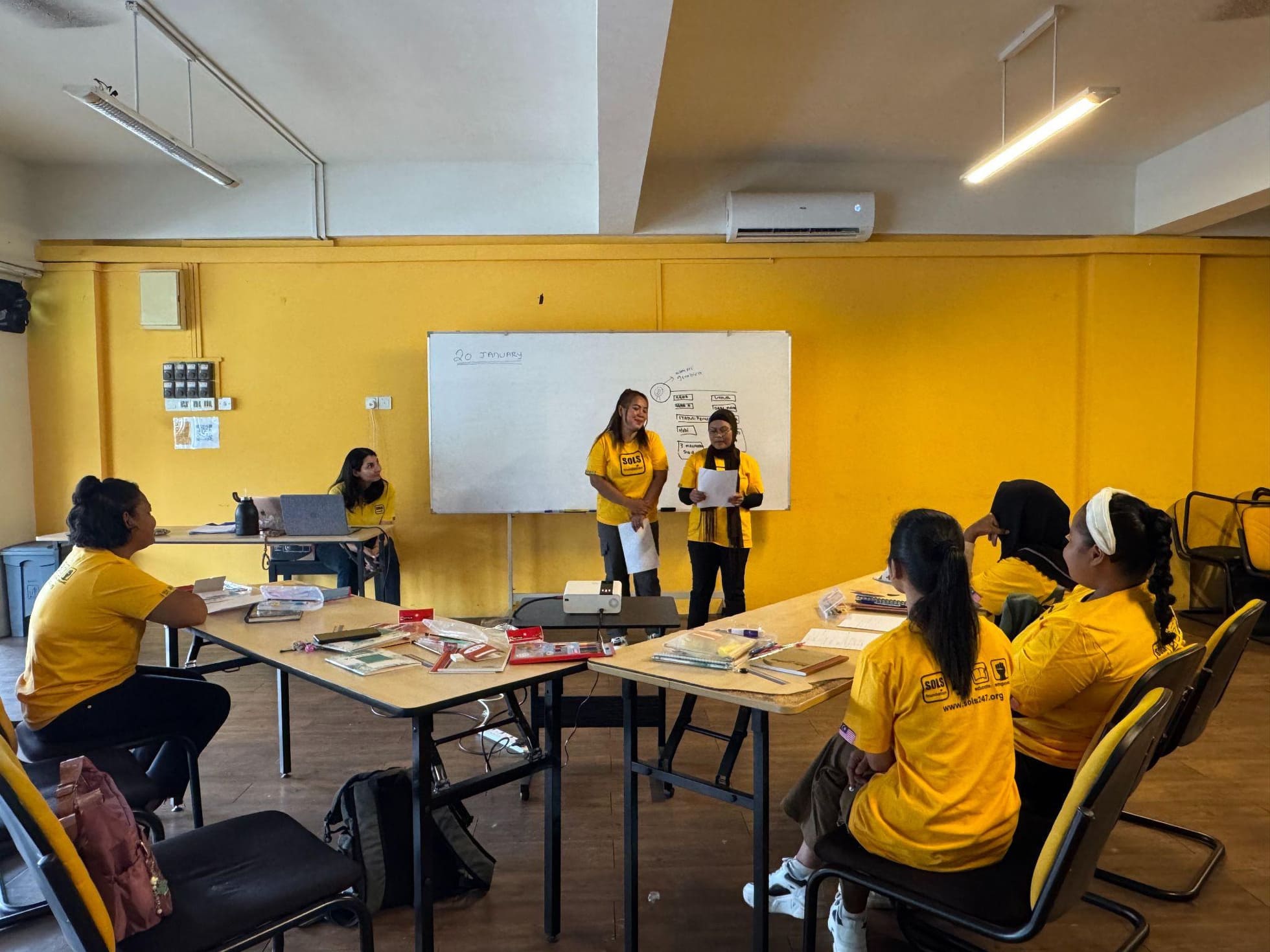
Empowerment is not abstract here. It is structured.
Participants train at SOLS Foundation’s headquarters in Kuala Lumpur for six to twelve months, depending on their performance. The pathway is deliberate:
- Classroom learning first
- Practical teaching next
- Apprenticeship and guided mentorship
- Formal job placement back in their village
The programme is open to women aged 21 to 40, with mothers encouraged to apply. Participants have to be based in Kuala Lumpur during training, which may be seen as a real trade-off, but it is one designed with long-term return in mind.
This is a programme that asks something of the women, but it also invests in them.
4. Employability, not just inspiration
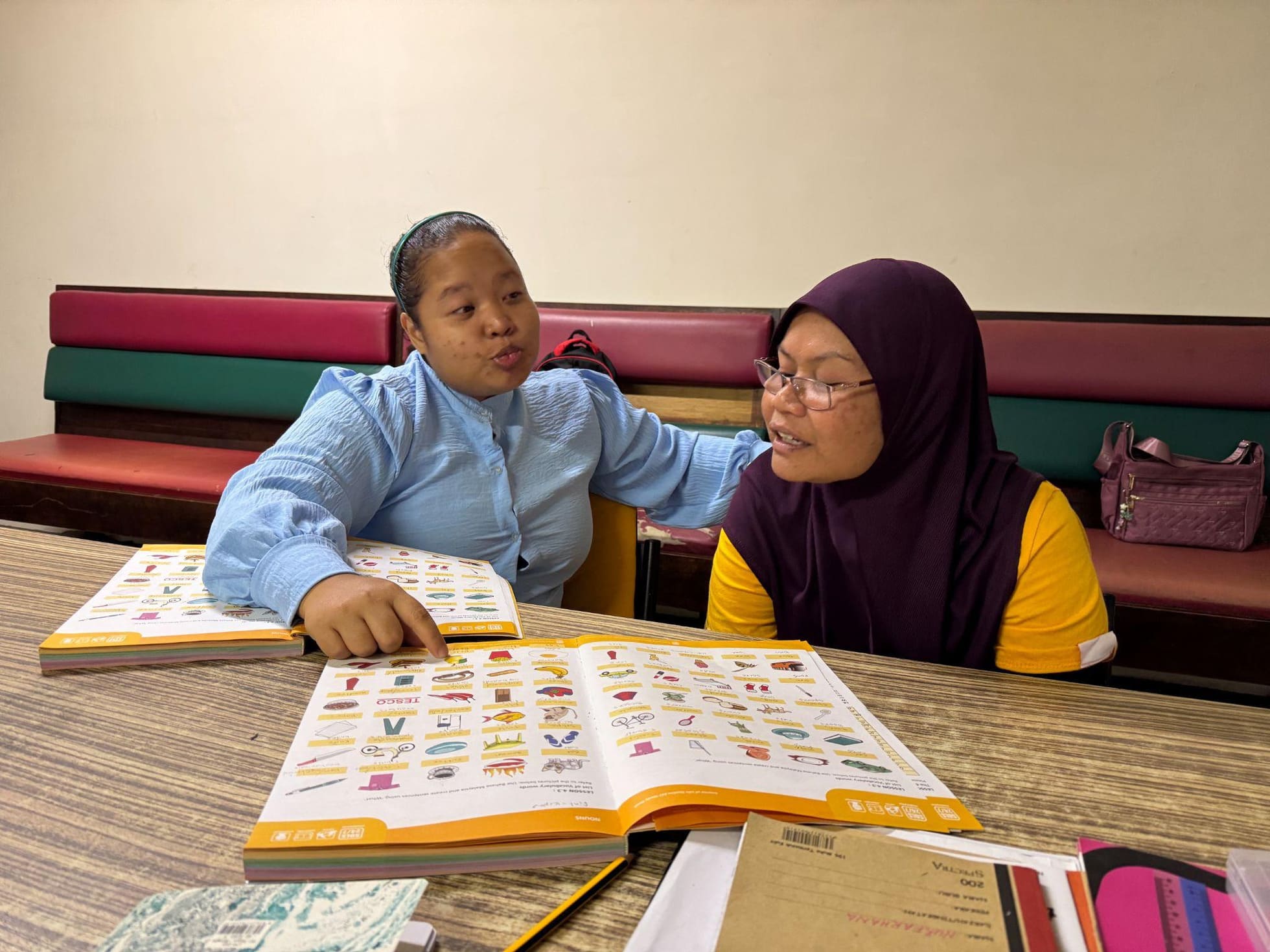
The curriculum is not framed as “confidence building” or “motivation”. It is framed as employability.
Participants learn:
- Teaching methodology
- Communication skills
- Administrative capabilities
- Digital literacy
- Community engagement
- Job preparation and professional readiness
This is about turning local women into confident educators without stripping away their community identity.
They return not as external educators, but as trained professionals rooted in their own culture.
5. Financial support that makes participation possible
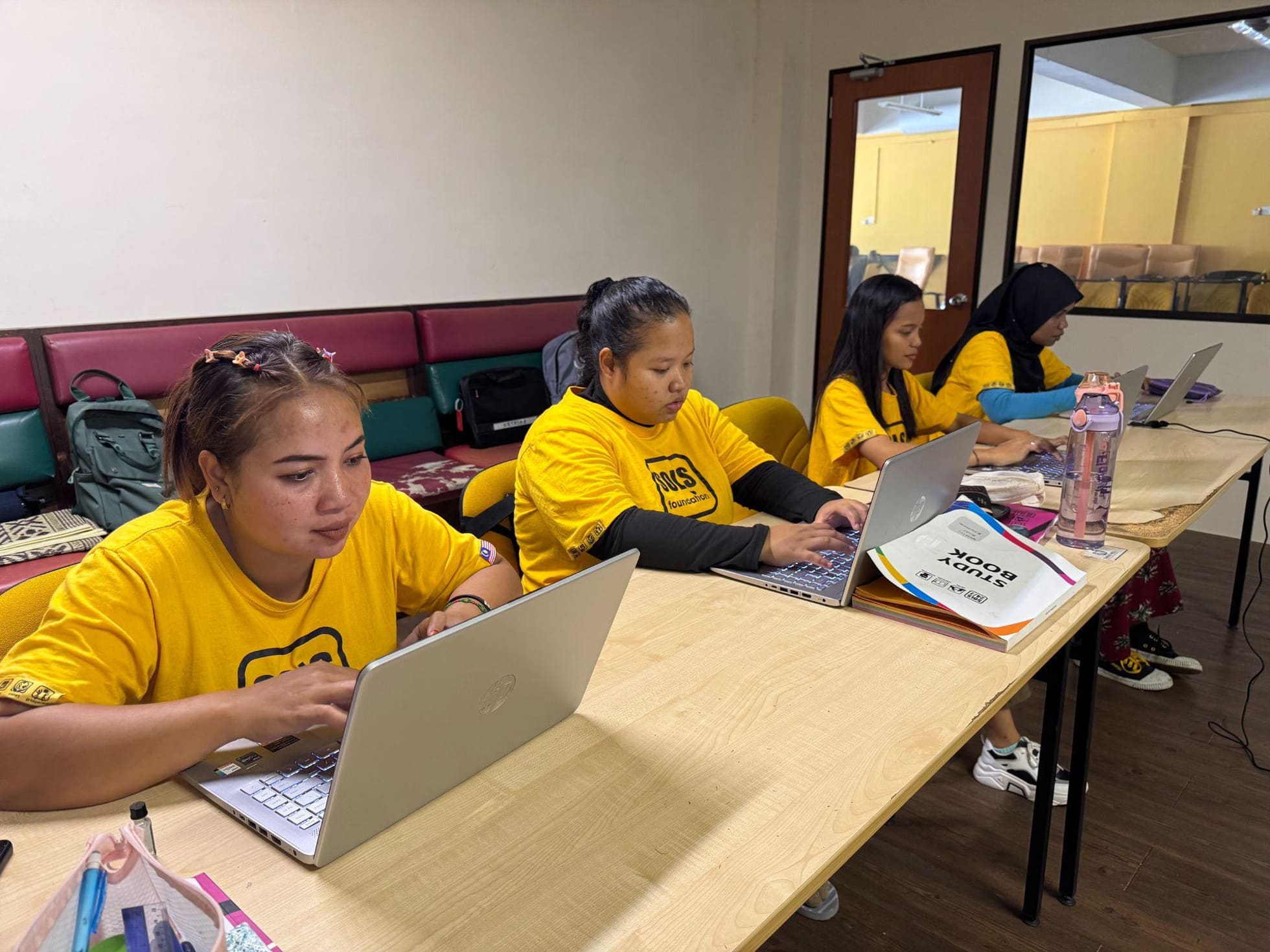
Training requires stability. The programme builds that in.
According to SOLS Foundation, the programme offers:
- Monthly allowances that increase as participants move into practical teaching and apprenticeship
- Accommodation and meals at SOLS Foundation’s headquarters
- A travel allowance to return home every three months for a week
- Teaching tools including a tablet, internet access, books and other equipment
These are not perks. They are structural supports designed to remove the quiet barriers that often keep rural talent out of stable work.
When housing, stipends and return-home support are addressed, outcomes shift.
6. What happens when the educator is “one of us”
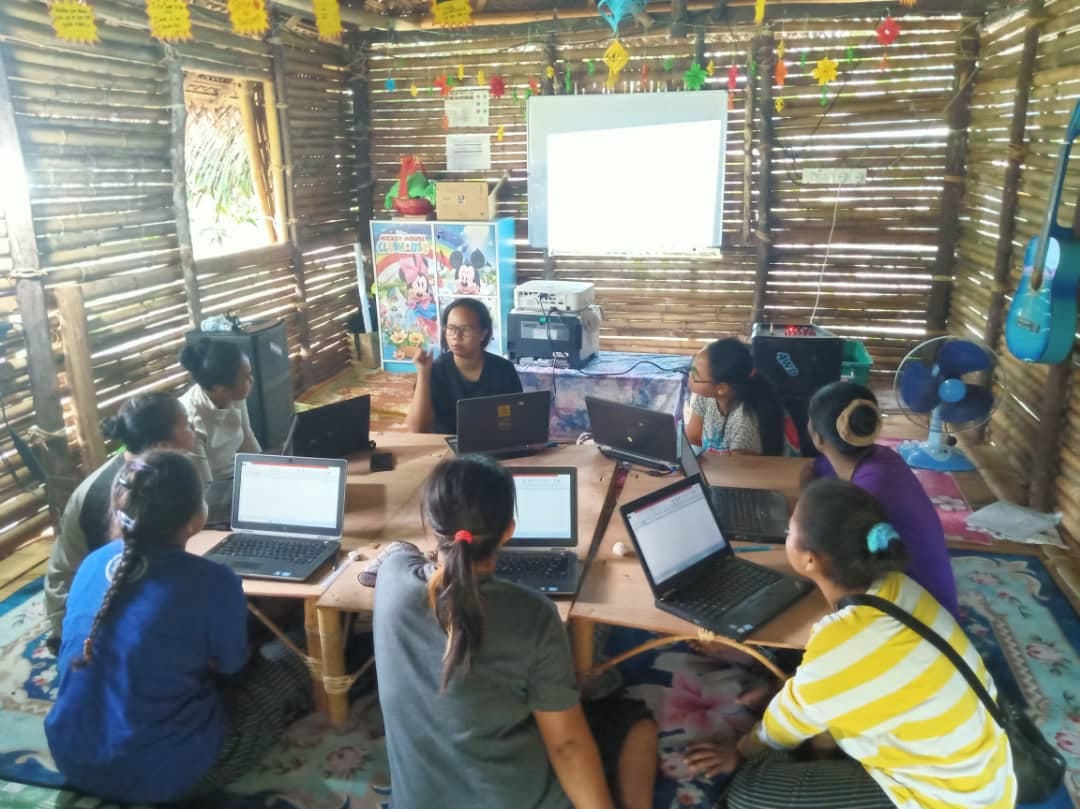
When a woman returns to her village as a trained educator on a formal contract, the impact is layered.
Children see someone from their own community in a professional role. Families engage more openly. Trust accelerates.
Education stops feeling imported. It becomes embedded.
The aim is long-term retention and continuity, not short-term placements. And when leadership starts from within, growth becomes sustainable.
7. Who can apply and when
The very first cohort began in January 2026.
Eligibility is specific:
- Women aged 21 to 40
- Able to read, write and perform basic numeracy
- Able to stay in Kuala Lumpur during the training period
- Willing to return to work as an educator in their village
It is a focused pathway for women ready to step into both responsibility and opportunity.
Empowerment Measured in Sustainability, Not Campaigns
SOLS ASLI Women Academy defines empowerment in concrete terms: a job offer, a salary and benefits and a clear pathway home.
Not a short-term volunteer programme, but a structured, paid role that strengthens both the individual and the community.
If you’re looking at what community-led education looks like when it is treated as real work, complete with pay, career progression and long-term commitment, this is a model worth examining.