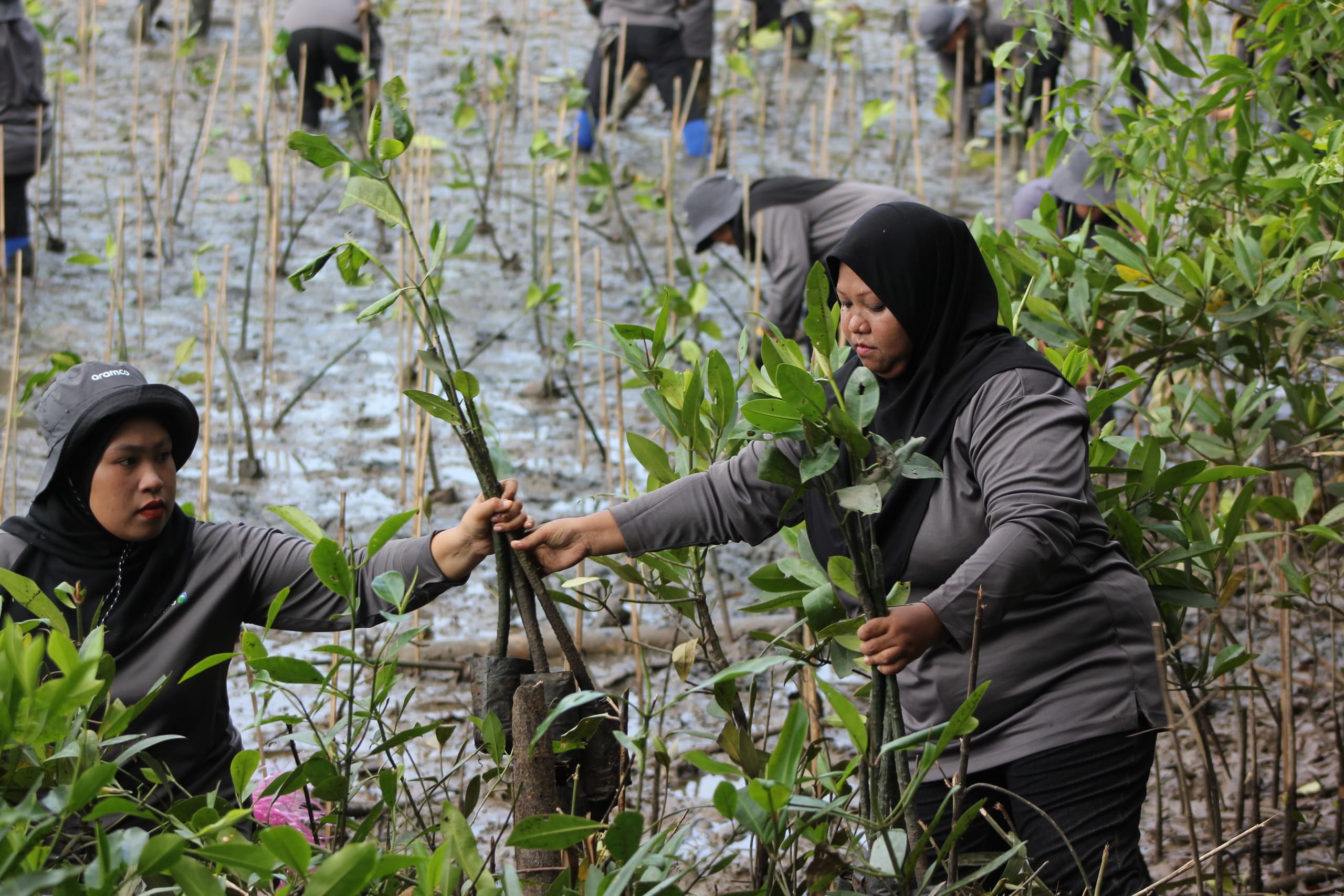
The Global Environment Centre (GEC) is working with Aramco Asia Singapore (Aramco), Yayasan Gambut (YG), and the Centre for Environmental Science and Ecology (CESE) to scale up existing mangrove conservation efforts in Indonesia and Vietnam, aiming to rehabilitate about 12 hectares of mangroves. Phase two of the project builds on successful models of previous community-based mangrove restoration in Malaysia, as well as initial rehabilitation activities in Indonesia and Vietnam.
GEC and Aramco have been collaborating since 2018 to develop a model for community-based mangrove restoration in Johor, Malaysia, which has been successful and recognised by the state government and other stakeholders. The model raises community awareness about the importance of conserving mangrove and coastal ecosystems and promotes options to reduce pressure on the use of mangrove resources. When communities understand the importance of mangroves in protecting their homes and improving their livelihoods, they are more likely to become motivated to participate in and lead conservation efforts in the long run.
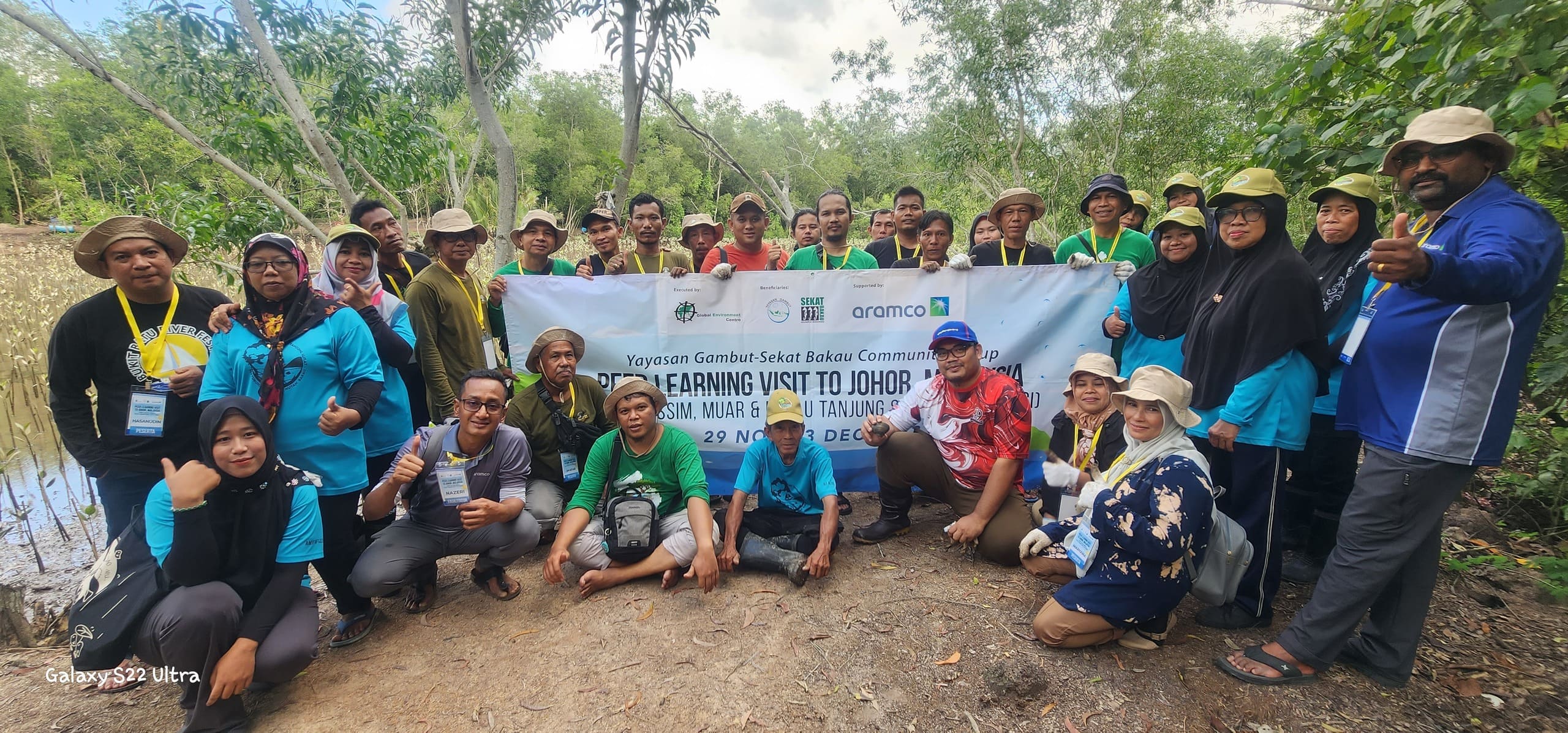
In 2023, GEC and Aramco extended the programme to Vietnam and Indonesia. Several study visits to Malaysia were organised in 2023 and 2024, with local government and community members from Indonesia and Vietnam taking part. With support from Aramco, the local governments and communities from Indonesia and Vietnam had the opportunity to learn from past programmes, adapt them for use in their own countries, and initiate their own community-based mangrove restoration activities.
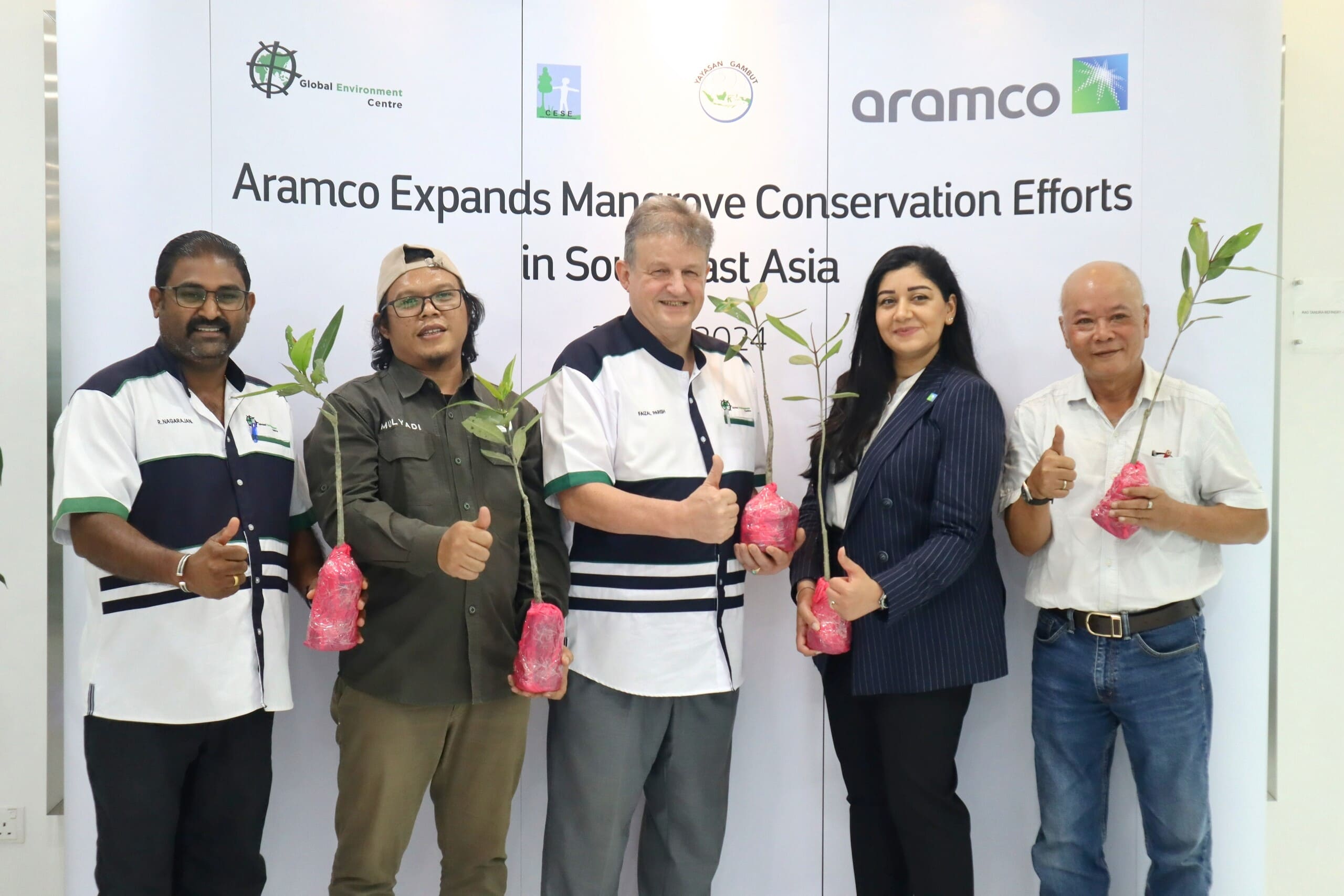
In 2024, GEC and Aramco will expand the collaboration to more communities in Vietnam and Indonesia. For phase two of the programme, an additional 14,000 mangroves will be planted on Bengkalis Island, Indonesia, and 10,000 in the coastal areas of Binh Dai District, Ben Tre Province, Vietnam. The local communities will also be trained in producing mangrove varieties, maintaining mangrove nurseries, and developing sustainable livelihoods linked to mangrove protection.
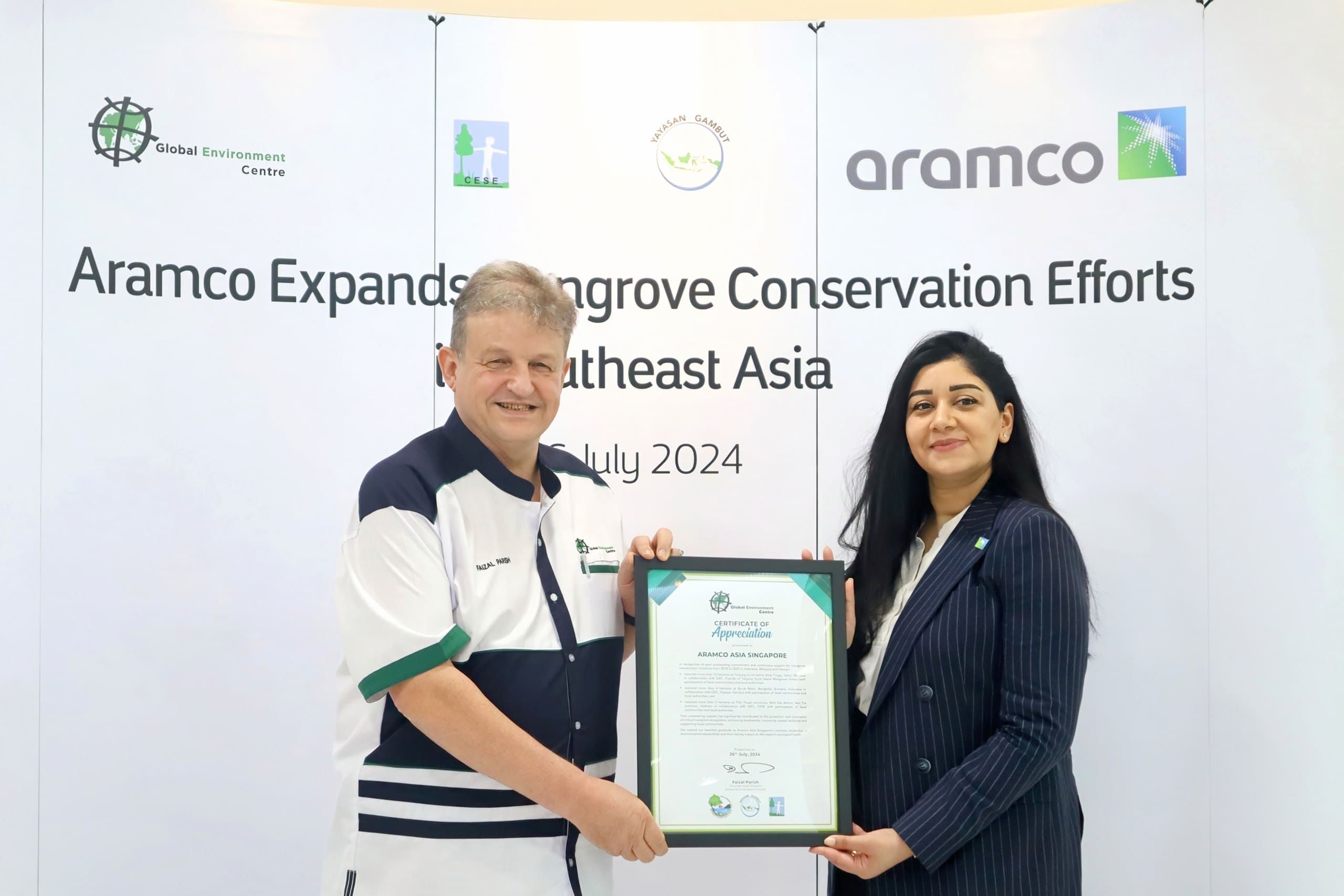
Fai K. Aldossary, Managing Director of Aramco Singapore, said: “Our ongoing commitment to expand the mangrove conservation programme to more parts of Southeast Asia underscores our belief in sustainable development. By investing in these long-term collaborations, we strive to achieve meaningful outcomes that help contribute to nature and communities.”
Faizal Parish, Director of GEC, said: “Aramco’s continued support has enabled us to extend our successful community-based mangrove rehabilitation programmes to new countries. We are thrilled to collaborate with YG and CESE, and leverage our collective expertise to protect and restore these vital ecosystems.”
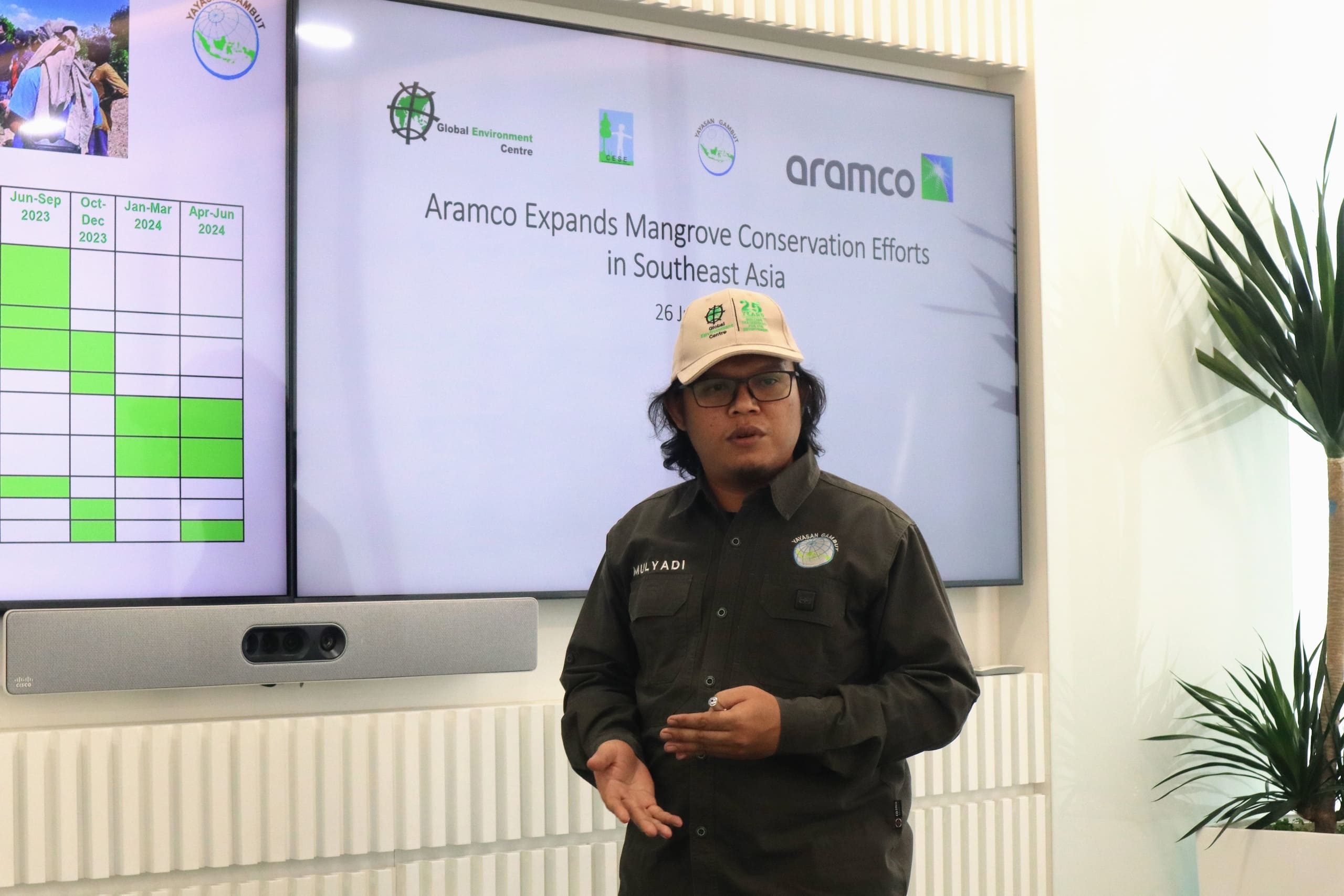
On the Indonesia programme, Mulyadi, Director of YG, said: “We are excited to be part of this collaborative effort to scale up mangrove restoration in Sumatra, Indonesia. This programme aligns with our organisation’s mission to protect and restore mangroves. Phase two of the programme will introduce additional training, nature-based wave breakers, and the planting of more mangrove trees at two sites. We look forward to working with the local communities to achieve our shared responsibilities and goals.”
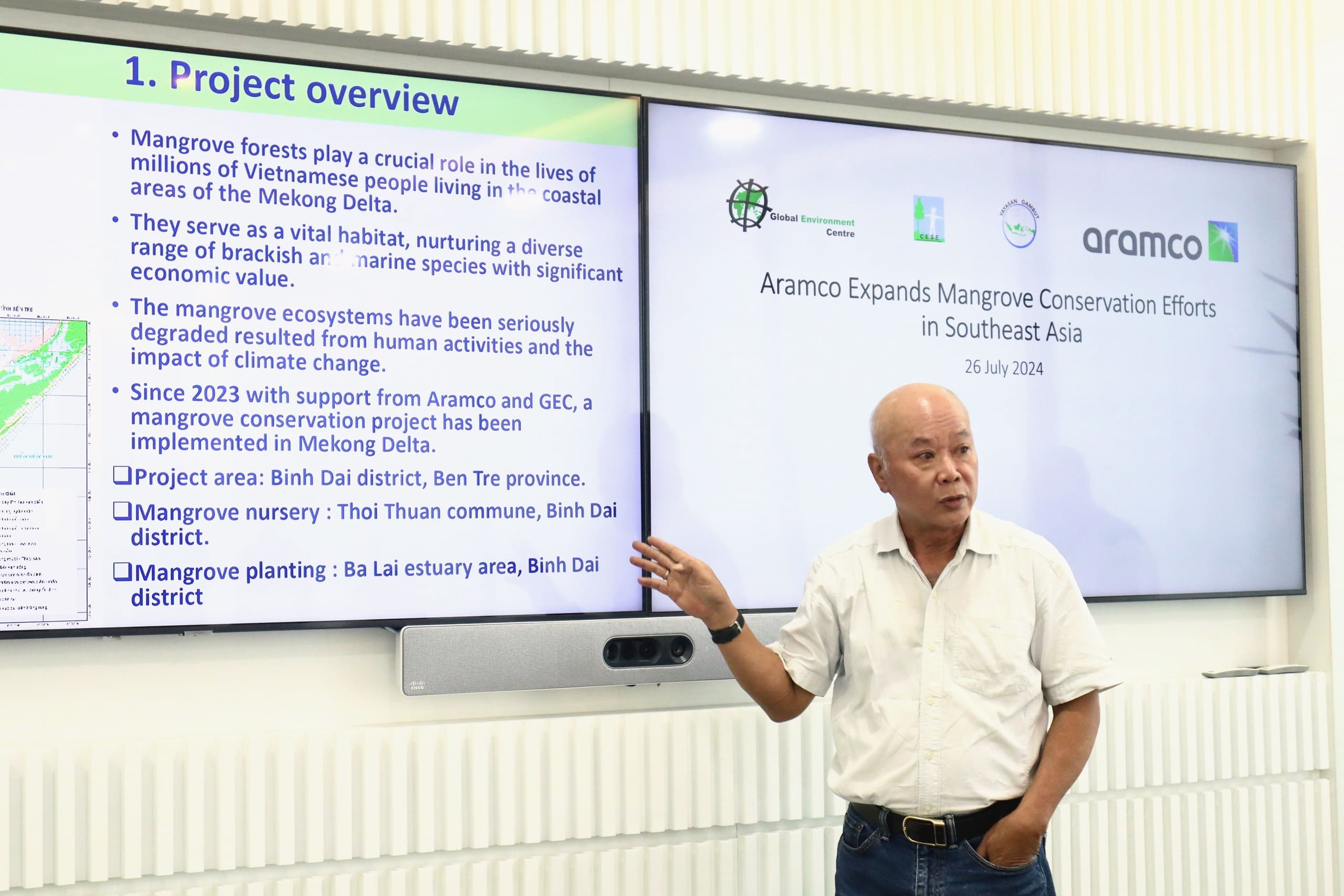
Dr Le Phat Quoi, Project Coordinator of CESE, who is the partner for the Vietnam programme, said: “The partnership with Aramco and GEC is a great opportunity to bolster our mangrove conservation efforts in Vietnam. The expanded programme will raise community awareness, introduce new technical training and help to restore more mangrove areas, significantly benefiting our coastal communities and ecosystems.”
This initiative aligns with the United Nations Decade on Ecosystem Restoration, which aims to prevent, halt, and reverse the degradation of ecosystems worldwide. The programmes also contribute to the achievement of several Sustainable Development Goals (SDGs), including SDG 13 (Climate Action), SDG 14 (Life Below Water), SDG 15 (Life on Land), and SDG 17 (Partnerships for the Goals).